

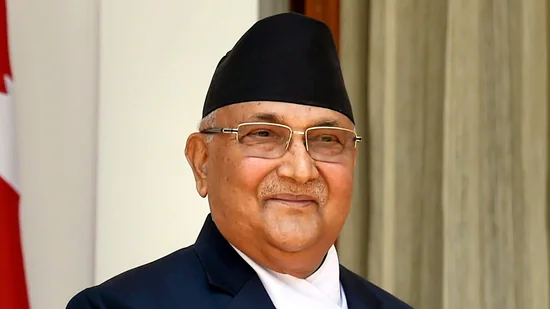
Nepal’s army is set to resume talks on Thursday with young demonstrators, dubbed the “Gen Z protesters,” as the Himalayan nation scrambles to restore order following violent unrest that killed at least 30 people and forced Prime Minister K.P. Sharma Oli to resign.
Army spokesperson Raja Ram Basnet confirmed that discussions on appointing an interim leader are ongoing. “Initial talks are on and would continue today. We are trying to normalise the situation slowly,” Basnet told Reuters.
Gen Z Protest: Deadliest protests in years
The protests erupted after the government imposed a controversial social media ban last week, blocking access to platforms including Facebook, Instagram, and YouTube. Authorities said the ban was aimed at curbing disinformation, but it quickly fueled anger among young Nepalis who accuse the government of corruption and failing to create economic opportunities.
Police responded with tear gas and rubber bullets, leaving 19 people dead during the initial clashes. Nepal’s health ministry later raised the death toll to 30, with more than 1,000 injured. Soldiers have since been deployed to maintain calm in Kathmandu, with prohibitory orders restricting movement in the capital and surrounding areas.
Calls for a new interim leader
The demonstrations only began to subside after Oli resigned. Protest leaders have proposed former Chief Justice Sushila Karki as interim prime minister. Karki confirmed to CNN-News18 that she had accepted the request after consultations with representatives from the Supreme Court Bar Association.
Protesters argue that a leader seen as independent of Nepal’s political elite is necessary to restore public trust. The army and protest organizers are expected to finalize discussions in the coming days.
Government buildings and businesses targeted
The protests saw widespread arson attacks across the country. In Kathmandu, government offices including the Supreme Court and several ministers’ homes were set ablaze, along with Oli’s private residence. In the tourist hub of Pokhara, multiple hotels were torched, while in the capital, the Hilton hotel also suffered fire damage.
International flights have resumed from Kathmandu’s airport, though authorities warn that disruptions may continue if tensions flare again.
The so-called “Gen Z protests” reflect a generational demand for transparency and accountability in Nepal’s politics. While the army has pledged dialogue, the scale of destruction highlights the deep frustration among the country’s youth and the urgent need for a credible interim government.