Regional conflicts are reshaping the global economic landscape with consequences extending far beyond immediate war zones. From the Russia-Ukraine war disrupting energy and food supplies to Middle Eastern tensions threatening oil flows and trade routes, these localized conflicts generate worldwide economic ripples affecting inflation, supply chains, investment flows, and growth prospects. Understanding who benefits and who suffers from these disruptions is essential for businesses making strategic decisions, investors allocating capital, and policymakers navigating an increasingly fragmented world. The economic fallout from regional conflicts is accelerating deglobalization trends, forcing painful adjustments, and creating both winners and losers in unexpected ways. As geopolitical tensions intensify across multiple regions simultaneously, comprehending these dynamics becomes crucial for anticipating what comes next in the global economy.
The Russia-Ukraine Conflict: Energy and Food Shocks
The Russia-Ukraine war has generated the most significant economic fallout of any regional conflict in decades, disrupting critical commodity markets and forcing fundamental restructuring of global energy and food systems. The consequences extend far beyond the combatants, affecting billions worldwide through inflation, energy insecurity, and food shortages.
Russia’s position as a major energy exporter—particularly natural gas to Europe—gave it enormous leverage that Europe’s transition away from Russian supplies has now neutralized at tremendous cost. European energy prices spiked dramatically, forcing industrial shutdowns, government subsidies, and emergency measures to secure alternative supplies. The continent paid premium prices for liquefied natural gas from the United States, Qatar, and other sources while accelerating renewable energy deployment.
Ukraine and Russia together accounted for roughly 30% of global wheat exports and significant shares of corn, sunflower oil, and fertilizer supplies. The war’s disruption of Black Sea shipping and Ukrainian agriculture triggered food price increases that hit developing countries particularly hard, contributing to political instability, protests, and humanitarian crises across Africa and the Middle East.
The conflict weaponized economic interdependence in unprecedented ways. Western sanctions targeted Russia’s financial system, energy exports, technology access, and elite wealth. Russia retaliated through energy supply restrictions and threats. This mutual economic warfare demonstrates how deeply integrated global systems can be deliberately fragmented when geopolitical imperatives override economic logic.
Middle East Tensions: Oil Markets and Trade Routes
Ongoing tensions across the Middle East—from Yemen to Syria, Israel-Palestine conflicts to Iran’s nuclear program—threaten critical energy supplies and maritime trade routes that global commerce depends upon. While often lower-intensity than major wars, these persistent conflicts create uncertainty premiums affecting energy prices and shipping costs.
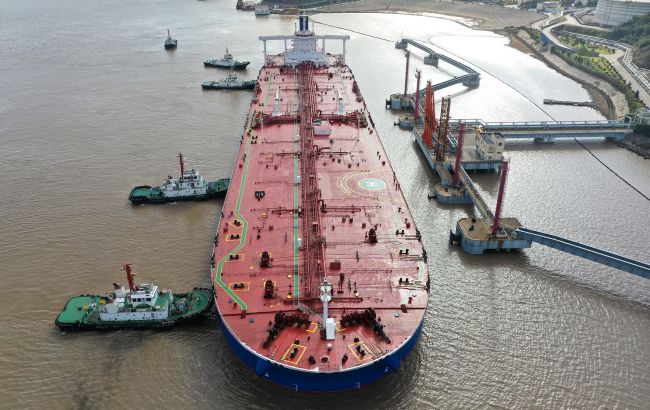
The Strait of Hormuz, through which roughly 20% of global oil supplies transit, remains a perpetual vulnerability. Iranian threats to close the strait during tensions with Western powers cause oil price spikes and insurance rate increases even without actual closures. Similarly, Houthi attacks on shipping through the Red Sea and Bab el-Mandeb strait disrupt trade between Asia, Europe, and the Americas, forcing ships to reroute around Africa at substantial time and cost penalties.
Israel-Palestine conflicts generate regional instability affecting investment, tourism, and economic development across the broader Middle East. Periodic escalations disrupt business confidence, trigger capital flight, and divert government resources toward military spending rather than productive investments.
Saudi-Iranian rivalry plays out through proxy conflicts in Yemen, Syria, Lebanon, and Iraq, destabilizing these countries while drawing in external powers and complicating regional economic integration. The humanitarian catastrophe in Yemen, with millions facing famine, exemplifies how regional power struggles create massive suffering with spillover effects throughout the region.
Winners in the Conflict Economy
While conflicts create overall economic destruction, certain actors benefit from the disruptions and realignments they cause. Identifying these winners reveals the incentive structures perpetuating conflicts despite their broader costs.
Energy Exporters Outside Conflict Zones
Non-Russian energy exporters have profited enormously from disrupted Russian supplies and elevated prices. The United States became Europe’s largest LNG supplier, with American energy companies capturing premium prices and expanding export infrastructure rapidly. Qatar, Australia, and other LNG exporters similarly benefited from European demand previously met by Russian pipeline gas.
OPEC members outside conflict zones, particularly Saudi Arabia and the UAE, benefited from higher oil prices without facing supply disruptions, generating windfall revenues that funded ambitious development projects and sovereign wealth fund growth.
Arms Manufacturers and Defense Industries
Regional conflicts drive military spending increases globally. Defense contractors in the United States, Europe, and elsewhere see surging orders as countries replenish stockpiles depleted by supporting Ukraine, expand capabilities in response to heightened threats, and modernize forces for potential future conflicts.
Alternative Supply Chain Beneficiaries
Countries positioned to replace sanctioned Russian or conflict-affected suppliers gain market share and economic benefits. Turkey, for example, became a hub for trade with Russia avoiding Western sanctions while maintaining relationships with both sides. India dramatically increased Russian oil imports at discounted prices, refining it for re-export and capturing arbitrage profits.
Southeast Asian nations benefit as companies diversify supply chains away from China and other geopolitically risky locations. Vietnam, Thailand, and Indonesia attract manufacturing investments seeking alternatives to concentrated production in potential conflict zones.
Commodity Traders and Speculators
Volatility in energy, food, and other commodity markets creates enormous trading opportunities. Firms with sophisticated risk management, global networks, and capital resources profit from price swings and supply disruptions that devastate less-capable market participants.
Losers: The Heavy Costs of Conflict
The economic costs of regional conflicts fall disproportionately on vulnerable populations with the least capacity to absorb shocks or adapt to new realities.
Conflict Zone Populations
The most obvious and severe losses occur among populations directly affected by violence. Ukraine’s economy contracted by approximately 30% in 2022, with massive infrastructure destruction, population displacement, and business disruption. Rebuilding costs are estimated at hundreds of billions of dollars, requiring decades of reconstruction even after hostilities cease.
Syrian, Yemeni, and other Middle Eastern conflict zone populations face economic collapse, hyperinflation, unemployment exceeding 50%, and the destruction of human capital as educated populations flee or perish. These economic catastrophes create lost generations with reduced opportunities, perpetuating cycles of poverty and instability.
Energy-Dependent Economies
Countries heavily dependent on imported energy face crushing economic pressures from elevated prices. Pakistan, Bangladesh, Sri Lanka, and numerous African nations struggle with energy costs consuming unsustainable portions of foreign exchange reserves, forcing difficult choices between energy imports, food security, debt servicing, and development spending.
European industries dependent on cheap Russian gas—chemicals, fertilizers, metals production—have faced competitiveness crises, with some facilities permanently closing as energy costs make production economically unviable. This deindustrialization reduces employment, tax revenues, and economic complexity with long-term consequences.
Food-Insecure Nations
Developing countries importing significant food supplies face catastrophic impacts from conflict-driven price increases. Egypt, Lebanon, Somalia, and many others depend heavily on wheat imports from Russia and Ukraine. Price spikes and supply disruptions translate directly into malnutrition, political instability, and humanitarian emergencies.
The World Food Programme estimates that tens of millions face acute food insecurity directly attributable to conflict-driven disruptions in agricultural commodity markets. The economic impossibility of affording food imports creates crises requiring international humanitarian assistance that often arrives inadequately or late.
Global Economic Growth
Conflict-driven commodity price spikes, supply chain disruptions, and uncertainty depress global economic growth. The International Monetary Fund estimates that the Russia-Ukraine war alone reduced global growth by over half a percentage point, with disproportionate impacts on emerging markets. Elevated inflation forces monetary tightening that slows growth further, creating painful trade-offs between price stability and employment.
Indirect Economic Consequences
Beyond direct effects on energy, food, and conflict zones, regional conflicts generate broader economic transformations reshaping global systems.
Accelerated Deglobalization
Conflicts demonstrate vulnerabilities in globally integrated supply chains dependent on geopolitically unstable regions. This recognition accelerates deglobalization trends as companies and countries prioritize resilience over efficiency through:
- Nearshoring and Reshoring: Moving production closer to end markets even at higher costs to reduce geopolitical exposure and transportation vulnerabilities.
- Redundant Supply Chains: Maintaining multiple suppliers in different regions rather than optimizing for single lowest-cost sources, increasing costs but improving reliability.
- Strategic Stockpiling: Building larger inventories of critical materials and goods, tying up capital but providing buffers against supply disruptions.
Defense Spending Increases
Regional conflicts drive global military spending increases as countries respond to heightened threat perceptions. Germany reversed decades of restrained defense spending, announcing €100 billion in additional military investment. Japan expanded defense budgets beyond longstanding limits. Numerous countries accelerate procurement and force modernization.
While benefiting defense industries, elevated military spending diverts resources from productive investments in infrastructure, education, healthcare, and research that drive long-term economic growth. This misallocation reduces potential growth rates and living standards improvements.
Investment Recalibration
Investors reassess risk premiums for different regions and sectors, channeling capital away from geopolitically risky areas toward perceived safe havens. This capital reallocation raises borrowing costs for emerging markets and conflict-adjacent regions while compressing yields in safe-haven assets like US Treasuries and German bunds.
Foreign direct investment flows shift toward politically stable regions with diversified supply chains, strong institutions, and distance from potential conflicts. This reinforces advantages for already-developed economies while increasing development challenges for vulnerable nations.
Sector-Specific Impacts
Different economic sectors experience regional conflict fallout in distinct ways:
- Energy Sector: Faces fundamental restructuring as European markets permanently shift away from Russian supplies, requiring massive infrastructure investments in LNG terminals, pipelines, renewable generation, and storage while creating opportunities for alternative suppliers and technologies.
- Agriculture and Food Processing: Deals with supply uncertainty, elevated input costs from fertilizer shortages, and changing trade patterns as buyers diversify away from conflict-affected suppliers, creating opportunities for agricultural exporters in the Americas, Australia, and emerging producers.
- Manufacturing: Confronts supply chain disruptions, elevated input costs, and pressure to diversify production locations, accelerating automation investments to offset higher labor costs in alternative locations while managing complex multi-region manufacturing networks.
- Transportation and Logistics: Navigates rerouted shipping lanes, elevated insurance costs, port congestion, and changing trade patterns, requiring significant operational adjustments and capacity investments in alternative routes.
- Financial Services: Manages sanctions compliance, elevated credit risks in conflict-affected regions, and complex cross-border payment challenges as financial systems fragment along geopolitical lines.
- Technology: Faces export controls, supply chain vulnerabilities for semiconductors and critical components, and pressure to maintain separate systems for different geopolitical blocs, increasing costs and complexity.
Strategic Responses for Businesses
Companies navigating conflict-driven economic disruptions should implement comprehensive strategies addressing multiple dimensions:
- Geopolitical Risk Assessment Integration: Systematically evaluate how different conflict scenarios affect operations, supply chains, markets, and investments, incorporating political risk analysis into all major strategic decisions.
- Supply Chain Diversification: Develop multiple sourcing options across different regions, reducing dependence on any single country or politically-aligned bloc for critical inputs.
- Scenario Planning: Prepare contingency plans for various conflict escalation possibilities, ensuring ability to pivot rapidly as circumstances change.
- Regional Market Strategies: Develop region-specific approaches recognizing that global standardization becomes increasingly difficult as geopolitical fragmentation intensifies.
- Government Relations and Policy Engagement: Build relationships with government stakeholders who increasingly influence business through sanctions, export controls, subsidies, and strategic priorities.
- Financial Hedging: Implement sophisticated risk management strategies addressing commodity price volatility, currency fluctuations, and other conflict-driven financial exposures.
- Talent and Operations Flexibility: Develop capabilities to shift production, relocate personnel, and adjust operations rapidly in response to conflict developments.
What’s Next: Future Conflict and Economic Scenarios
Looking forward, several scenarios could unfold with different economic implications:
Escalation and Proliferation: If current conflicts intensify or new ones emerge—Taiwan Strait, Korean Peninsula, South China Sea—economic disruptions could multiply, forcing radical supply chain restructuring, elevated defense spending, and potentially severe global recession.
Frozen Conflicts and Persistent Tensions: The most likely scenario involves current conflicts neither resolving nor dramatically escalating, creating persistent uncertainty, elevated risk premiums, and gradual adjustment to a more fragmented global economy with higher structural costs.
Diplomatic Breakthroughs: If major conflicts resolve through negotiation—Ukraine peace agreement, Middle East stabilization—economic recovery could be rapid as supply chains normalize, uncertainty dissipates, and diverted resources return to productive uses.
Great Power Conflict: The nightmare scenario of direct conflict between major powers would create economic catastrophe dwarfing current disruptions, potentially fragmenting global economy into competing blocs with minimal interaction.
Policy Implications and International Cooperation
Managing conflict-driven economic fallout requires policy responses at national and international levels. Countries must balance security imperatives with economic welfare, supporting affected populations through social safety nets, energy subsidies, and humanitarian assistance while investing in structural adjustments toward more resilient systems.
International institutions face challenges maintaining cooperation amid fragmentation. The World Trade Organization, International Monetary Fund, and World Bank must adapt to a world where geopolitical divisions increasingly constrain their ability to promote integrated global systems. New frameworks acknowledging geopolitical realities while preserving essential cooperation become necessary.
Development assistance to conflict-affected regions prevents humanitarian catastrophes from metastasizing into broader crises through migration pressures, state failures, and radicalization. However, aid effectiveness suffers when conflicts persist and governance collapses, creating difficult decisions about resource allocation.
Conclusion
Regional conflicts are generating profound economic consequences extending far beyond their immediate geographic scope. The Russia-Ukraine war’s disruption of energy and food markets, Middle Eastern tensions threatening critical trade routes and oil supplies, and numerous other conflicts are accelerating deglobalization, forcing supply chain restructuring, driving inflation, and creating a more fragmented, costly global economy.
The winners—energy exporters, defense industries, alternative suppliers—capture relatively modest gains compared to the massive losses imposed on conflict zone populations, energy-dependent economies, food-insecure nations, and global growth prospects. The overall economic impact is decidedly negative, with conflict destroying value, disrupting commerce, and diverting resources from productive uses.
Looking ahead, businesses must integrate geopolitical risk assessment into strategy, diversify supply chains, and maintain flexibility for rapid adaptation. Policymakers must balance security concerns with economic welfare, supporting affected populations while investing in structural resilience. International cooperation, though increasingly difficult, remains essential for managing the global spillovers from regional conflicts.
The trajectory depends on whether current conflicts escalate, persist, or resolve, with each scenario carrying distinct economic implications. However, the trend toward a more fragmented, politically-constrained global economy seems likely to continue regardless of specific conflict outcomes, requiring fundamental adjustments in how businesses operate and how economies integrate internationally. Understanding who wins, who loses, and what comes next in this conflict-driven economic transformation provides essential context for navigating an increasingly uncertain and volatile global landscape.